
Selling Your South African Home Private Sale: How to Bypass Estate Agents
This guide gives you the complete truth about selling private sale in South Africa, including practical tips if you decide to go this route, realistic pros and cons based on actual experience, and smarter alternatives that might save you even more money with far less stress.
FSBOPRIVATE SALESELLING RESOURCESTIPS
Kobus Taljaard
1/24/202619 min read

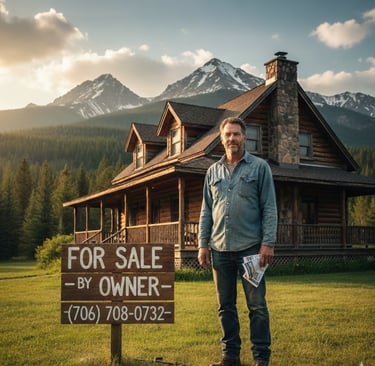
Selling Your South African Home Private Sale: The Complete Truth About Bypassing Estate Agents
Thinking about selling your South African home private sale (without an estate agent)? You're not alone. With median property prices around R1.2 million, the thought of saving that 5-7.5% agent commission (potentially R60,000-R90,000) is tempting. But before you create your own property listing or post your Cape Town, Johannesburg, or Durban home online, let's talk honestly about what private sale really involves—the real costs, the hidden challenges, and whether you'll actually save money in the end.
This guide gives you the complete truth about selling private sale in South Africa, including practical tips if you decide to go this route, realistic pros and cons based on actual experience, and smarter alternatives that might save you even more money with far less stress.
The Private Sale Appeal: Why South African Homeowners Consider It
Let's start with why private sale sounds attractive:
The Commission Savings: Estate agents in South Africa typically charge 5-7.5% commission. On a R1 million home, that's R50,000-R75,000 you could potentially keep.
Total Control: You set the price, schedule viewings on your terms, negotiate directly with buyers, and make all decisions without consulting anyone.
Personal Knowledge: You know your home better than anyone—every upgrade, every quirk, every reason someone should love living there.
Flexibility: No waiting for an agent's availability. You can advertise when you're ready and move at your own pace.
These benefits sound good on paper. But here's what the private sale websites don't always tell you upfront.
The Uncomfortable Truth: What Actually Happens
Before we dive into how to sell private sale, let's look at what happens when homeowners actually try it in South Africa. The reality might surprise you.
Private Sale Homes Sell for Significantly Less
Property market data tells a consistent story:
Private sale homes sell for approximately 15-25% less than agent-listed properties in South Africa
The most common reason: limited exposure and reach to serious buyers
Even when private sellers do find buyers, they typically receive lower offers because buyers know there's no professional negotiator
In practical terms, on a R1 million property:
Agent-listed sale price: R1 million
Private sale typical price: R850,000-R900,000
That's a difference of R100,000-R150,000—far more than the commission you'd save
The Math: Let's say your South African home is worth R1 million:
Private Sale:
You sell for R850,000 (15% below market due to limited exposure)
You save the 6% agent commission (R51,000)
You may still pay buyer's agent if they bring the buyer (1.5-2.5% = R12,750-R21,250)
Transfer and legal costs you pay: R8,000-R12,000
Your net proceeds: R816,000-R819,000
Agent-Assisted Sale:
You sell for R1 million (full market value with professional marketing)
Agent commission (6%): -R60,000
Transfer and legal costs you pay: R10,000-R12,000
Your net proceeds: R928,000-R930,000
Result: By using an agent in this scenario, you net R110,000-R114,000 MORE—even after paying the agent commission.
Most Private Sellers Eventually Hire an Agent Anyway
Here's a stat that should matter: approximately 40% of South African homeowners who start selling private sale eventually hire an agent to help close the deal. That means nearly half give up partway through.
Why? Because they encounter:
Very few genuine inquiries (or only lowball offers from amateur buyers)
Overwhelming paperwork and legal complexity
Difficulty negotiating with professional buyer's agents representing serious buyers
Marketing challenges reaching the right buyer pool
Time demands that interfere with work and family
Safety concerns showing the home to strangers
When you hire an agent after months of trying to sell yourself, you've lost valuable time, your home has been exposed on the market (making buyers skeptical), and you still end up paying commission.
Private Sale Success Rate is Extremely Low
Only 8-10% of all South African property sales are true private transactions—an all-time low. This isn't because homeowners don't try. It's because most can't successfully complete the sale alone.
Of those who do succeed with private sale, most fall into specific categories:
45% already had a buyer lined up (family member, friend, colleague, someone from work)
Many were experienced property professionals themselves
Some were selling commercial or special-use properties where agent reach doesn't matter
If you don't already have a buyer waiting and you're not a property professional, your odds of successfully selling private drop significantly.
The Hidden Costs of Private Sale That Eat Into Your Savings
Even if you successfully sell private, the agent commission isn't the only cost. Here are expenses private sellers often don't anticipate:
Note on South African Estate Agents: South Africa's real estate industry consists of estate agent firms (some national franchises like Seeff and Pam Golding, others independent) that employ agents who list and sell properties. When we refer to "estate agents," we mean the professionals who work for these firms and charge commission (typically 5-7.5%). The major property portals (Property24 and PrivateProperty.co.za) are separate online platforms where any estate agent or private seller can list properties—they're not real estate firms themselves.
1. Online Listing Platforms: R499-R4,999
To get your home in front of serious buyers, you need listings on the major South African property portals. Estate agents list automatically through their firm subscriptions. As a private seller, you must pay for these listings yourself:
Property24 Pricing:
Self Service Lite (properties up to R500k): R499
Self Service (all property prices): R2,299
Assisted (experts create your listing + professional photos + video): R3,999
Featured (same as Assisted + featured placement): R4,999
PrivateProperty.co.za Pricing:
Standard Package: R1,497 (6 months online, up to 30 photos, email/SMS alerts to buyers, attorney assistance)
HD Package: R2,896 (Standard + professionally filmed video tour + HD photos + higher positioning)
Featured HD Package: R4,637 (HD Package + featured listing position at top of results)
Strategy: For a private sale to work, you must list on both platforms. The minimum investment is R499 (Property24 Lite) + R1,497 (PrivateProperty Standard) = R1,996 for basic coverage. Invest in better packages if your property justifies it (above R1 million should use professional packages).
Important: Property24 and PrivateProperty both offer free attorney assistance/consultation with their listings. Snymans Attorneys (mentioned on Property24) and other conveyancing firms will contact you at no cost if they see your listing has nominated them—this is valuable support.
2. Professional Photography: R500-R1,500
Smartphone photos won't cut it in 2026. Professional real estate photography dramatically increases buyer interest and offers. Budget R500-R1,500 for a photographer who knows how to showcase South African properties effectively.
3. Marketing and Promotional Materials: R200-R800
Professional "For Sale" signs, directional signage, flyers, and information sheets cost money. Quality matters—cheap signs make buyers question the property's value. Printing costs add up quickly.
4. Online Advertising: R0-R2,000+
Facebook advertising, Instagram promoted posts, or local Google ads can help reach buyers, but they add up. Effective digital marketing requires knowledge and budget most homeowners don't have.
5. Legal and Attorney Fees: Potentially R0-R8,000+ (But Smart Strategy Reduces This)
South Africa requires proper legal documentation and professional conveyancing for property transfers. Here's the real cost breakdown:
If You Hire a Conveyancing Attorney (Recommended):
Most conveyancing attorneys charge based on the property value. Typical rates:
Properties up to R1 million: R2,500-R5,000
Properties R1-R2 million: R4,000-R7,000
Properties over R2 million: R6,000-R10,000+
However, Here's the Smart Strategy:
When you list on Property24 or PrivateProperty, you'll be offered free initial consultation/assistance from conveyancing attorneys at NO COST. When you receive offers to purchase, you should:
Pre-nominate your attorney on all Offers to Purchase (Agreement of Sale)
Send received offers to your nominated attorney for FREE review and guidance
Your attorney will be eager to assist because they know they'll receive the transaction work (and payment) if you proceed
Many conveyancing attorneys will provide substantial free guidance if they're already nominated on the AOS
Cost Reality: Most private sellers who nominate their attorney upfront can negotiate reduced fees (R2,000-R5,000) or get significant free guidance because the attorney sees the transaction coming.
Don't make this mistake: Waiting to hire an attorney. Get one nominated early—it shows professionalism to buyers and gets you free expert guidance on all offers.
6. Agent Commission You Might Still Pay: R15,000-R50,000 (Only If Another Agent Brings Buyer)
Here's a crucial difference between South Africa and other countries: South Africa doesn't have separate "buyer's agents" and "seller's agents." There's only ONE agent per transaction who handles both sides for the commission.
How It Works:
When you sell private, you don't pay any agent commission
If ANOTHER agent brings a buyer to your private sale, negotiations happen between you and that agent
Typically, that agent will expect to share in a commission (normally 60/40 or 50/50 split of what would normally be the full commission)
On a R1 million property, the normal commission would be 6%, so the sharing agent might expect 3% (R30,000)
The Reality: Many serious buyers use agents. When an agent's buyer is interested in your private sale, you'll need to decide:
Pay them a commission to close the deal (common: 2-3% = R20,000-R30,000)
Or walk away from that buyer
Smart Strategy: Decide upfront what you're willing to pay if an agent brings a buyer. Many private sellers budget 2-3% for this possibility, making it effectively: R1.5-2% commission if an agent brings the buyer, vs. the full 6% if you'd used an estate agent. Either way, you're ahead.
Don't: Promise commission to multiple agents. Be clear and in writing about who brought the buyer.
7. Your Time and Stress
This is the cost private sellers underestimate most. Selling a home yourself is essentially a part-time job for 2-4 months:
Researching pricing and preparing marketing materials
Managing inquiries and scheduling viewings
Being available for showings (evenings, weekends, holidays)
Negotiating with buyers and their agents
Handling inspection issues and repair requests
Managing paperwork and coordinating with conveyancers and title companies
If you earn R250/hour at your regular job and spend 150 hours selling your home, that's R37,500 in lost income or personal time.
If You Still Want to Try Private Sale: Your South African Game Plan
Despite the challenges, some motivated sellers succeed with private sale. If you're determined to try, here's how to do it right.
Step 1: Price Your Home Correctly (This Is Critical)
Overpricing is the #1 mistake private sellers make. Without professional pricing analysis, you'll either scare away buyers or leave money on the table.
How to Price Right:
Order a professional property valuation (R1,500-R4,000 typically): This gives you an objective, expert assessment from a registered valuer. Companies like DDP (Dube Derrick & Partners) are among SA's oldest and most reputable valuers. A professional valuation is essential for accurate pricing.
Use Online Valuation Tools (Low cost or free):
Property24 Street Comps Tool (R64): See actual recent sales in your specific street for accurate local pricing—this is incredibly valuable for understanding your micro-market
Lightstone Property Reports (R165+VAT): Comprehensive residential property reports with the most detailed data available in SA. They analyze comparable sales, market trends, and provide professional valuations
Research comparable sales: Look at recently SOLD properties (not current listings) in your area with similar size, condition, features, and location. This is essential—listing prices mean nothing, only what properties actually sold for matters.
Use online estimates cautiously: Property24 estimates and similar tools are approximations, often off by 10-15%. Use them as a starting point only.
Consider market conditions: South Africa's property market varies dramatically by location and economic factors. Hot markets like Sandton, Camps Bay, or Umhlanga move differently than secondary markets.
Understand your specific area: Neighborhood trends, crime rates, school catchment areas, service delivery (water, electricity), municipal rates, and proximity to amenities dramatically affect value.
Price competitively: Private sale homes lack professional agent networks, so pricing 5-10% below market can attract attention and speed sale. Being slightly under-priced is often smarter than being over-priced and sitting for months.
South African-Specific Pricing Challenges:
Municipal service delivery affects value (water outages, load shedding, sanitation)
Crime and security concerns impact buyer perception significantly
Foreign exchange volatility affects investor buyers
Property tax and rates vary dramatically by municipality
Sectional title vs. free-standing has legal implications
Proximity to major estate agent offices doesn't affect value (Seeff, Pam Golding, and others are estate agent firms, not property platforms)
Step 2: Prepare Your Home to Sell
First impressions matter enormously when you don't have an agent's credibility and marketing backing you up.
Essential Repairs:
Fix anything broken (leaky taps, damaged trim, cracked windows)
Address deferred maintenance (peeling paint, stained carpets, damp)
Ensure all appliances work perfectly
Fix obvious cosmetic issues
Address any structural or pest concerns
Deep Cleaning:
Professional cleaning of entire house (R800-R1,500)
Steam clean carpets and upholstery
Clean windows inside and out
Pressure wash exterior, patio, driveway
Make everything sparkle—buyers judge on cleanliness
Staging Basics:
Declutter ruthlessly (rent a storage unit if needed)
Depersonalize (remove family photos, religious items, personal décor)
Neutralize (repaint bold colors to neutral tones)
Maximize light (open curtains, add lamps, replace dim bulbs)
Create welcoming spaces (fresh flowers, strategically placed furniture)
Hide personal clutter (bills, personal items, medications)
Curb Appeal:
Mow lawn, trim bushes, weed flower beds
Add fresh mulch to garden beds
Paint or replace front door if needed
Pressure wash siding and walkways
Add potted plants near entrance
Ensure security gates and fencing are in good condition
Clear any views of surrounding properties (or highlight them if beneficial)
Step 3: Get Professional Photos (Non-Negotiable)
This is the one expense you absolutely cannot skip. 90% of buyers start their search online. Your photos are your first impression—and often your only chance.
Hire a real estate photographer who knows how to shoot properties, not a general photographer. Cost: R500-R1,500 for a South African home.
Include:
Wide-angle shots of every room
Exterior shots from multiple angles
Garden and outdoor spaces
Neighbourhood context (if beneficial)
Kitchen and bathroom close-ups
Evening or twilight shot (dramatic and eye-catching)
Step 4: List on Property24 and PrivateProperty.co.za
These are the essential platforms. Property24 and PrivateProperty.co.za dominate the South African property market—with Property24 capturing an estimated 80% of all property sales originating from its platform.
South Africa's Major Property Platforms:
Property24 (R99-R500/month): By far the largest property portal in SA with dominant market reach. This is where serious buyers search. An absolute must-list platform. Offers various package levels depending on featured placement and duration.
PrivateProperty.co.za (R100-R400/month): The second-largest property platform in SA. Essential for reaching the secondary market of buyers who also use this portal.
Gumtree.co.za (Free or premium options): Some private sellers use this for additional reach, though serious buyers typically start on Property24 or PrivateProperty.
Facebook Marketplace (Free): Still significant reach, particularly for younger buyers or casual browser traffic. Worth listing but not sufficient alone.
Other platforms (OLX, etc.): Negligible market reach for property sales—skip these unless you have specific reason to list there.
Recommendation: Invest in premium listings on both Property24 AND PrivateProperty.co.za (R200-R500/month combined). These two platforms represent the vast majority of serious buyer traffic in South Africa. This is non-negotiable if you want exposure. Supplement with free Facebook Marketplace and potentially Gumtree if budget allows, but don't waste time on platforms with minimal reach.
Step 5: Market Everywhere
Don't rely on portals alone. Use every channel available:
Online:
Property24 and PrivateProperty.co.za (paid listings - essential)
Gumtree.co.za (free option for additional reach)
Facebook Marketplace (free, still significant reach)
Local South African property Facebook groups and forums
WhatsApp broadcast lists to friends and network
Email to your contact list
Social Media:
Post on your personal Facebook (to friends and extended network)
Post on Instagram with property hashtags
Ask friends and family to share
Use location-specific hashtags (#JoziProperties, #CapeTownHomes, #DurbanRealty, etc.)
Traditional Methods:
Professional yard sign with your contact number
Directional signs at nearby intersections (check municipal regulations)
Flyers at local businesses (coffee shops, grocery stores, community boards)
Neighborhood WhatsApp groups and community forums
Community newspapers
Word of Mouth:
Tell colleagues, friends, family
Contact your employer's HR (employee bulletin board)
Post on professional networks (LinkedIn, industry groups)
Mention to service providers (plumber, electrician, gardener—they know people)
Ask your bank or financial advisor to mention it to clients
Step 6: Handle Viewings Professionally (With a Critical SA Advantage)
This is where private sale gets real in South Africa—and where you have a major advantage over agent-listed properties. Here's the insight:
The South African Advantage: When YOU personally show your home to buyers, something powerful happens. Buyers who connect with you as a seller often fall in love with the house BECAUSE of that connection. They see someone they relate to, who shares their values and aesthetics, living in the space. This authenticity is invaluable.
Companies like Leadhome Properties have documented this extensively across hundreds of transactions: sellers who personally guide buyers through their homes have significantly higher conversion rates and often achieve better prices because of the relationship built.
Best Practice for Viewings:
Guide buyers through your home yourself (don't leave them alone or hand them to an agent)
Be present, knowledgeable, and personable - you know everything about the property
Show genuine enthusiasm for your home - this is contagious
Share the story: How you've loved living here, what makes it special, planned renovations, neighborhood insights
Be flexible with viewing times (evenings, weekends, holidays)
Keep your home pristine at all times (spotless, decluttered, pleasant smells)
Provide information sheets for viewers to take with details and photos
Collect contact information from every viewer
Follow up within 24 hours
Safety Considerations (Critical in SA):
South Africa requires vigilance. Always:
Have someone else present during viewings (family member, friend, or trusted contact)
Keep valuables locked away or off-site
Don't disclose when you'll be away from home
Screen visitors before allowing viewing (ask for name, contact info, ID verification if possible)
Install visible security systems - this actually adds appeal to buyers
Trust your gut - refuse to show to anyone who makes you uncomfortable
Don't meet strangers from online listings alone - verify legitimacy first
The Connection Factor: This is NOT an exaggeration. Buyers who feel a genuine connection to you and your home often overlook minor cosmetic issues, are less likely to nickel-and-dime you in negotiations, and are more likely to proceed with purchase. You're not just selling a house—you're transferring your home to people who will love it the way you did.
Step 7: Negotiate Like a Professional (With Smart Attorney Strategy)
This is where inexperienced private sellers lose thousands. Here's how to protect yourself with smart legal strategy:
The Smart Attorney Strategy:
Nominate your attorney EARLY - Before you even receive offers, choose a conveyancing attorney and tell serious inquiries that [Attorney Name] is your nominated attorney
Include your attorney on the AOS (Agreement of Sale, not "Purchase Agreement" - that's US terminology) - When buyers send offers, ensure your attorney's name is pre-filled as the nominated attorney
Send offers to your attorney immediately - Your attorney will provide FREE or reduced-cost guidance on every offer because they know they'll get the transaction work
Let your attorney guide negotiations - They're experienced negotiators and will protect you from unfavorable terms
Get everything in writing - No verbal agreements are legally binding
Negotiation Tips:
Don't get emotional (it's business, not personal)
Know your bottom line before negotiations start
Expect multiple rounds of back-and-forth
Everything is negotiable (price, transfer date, repairs, conditions)
Let your attorney handle aggressive negotiations
Be willing to walk away from bad offers
Common Buyer Tactics:
Lowball offers (especially when they know you're selling private)
Requesting unreasonable repairs after inspection
Asking you to pay all transfer costs
Adding contingencies that let them walk away easily
Creating false time pressure
Counter-Strategy:
Don't react emotionally - counter-offer professionally
If an offer is too low, provide comparable sales data justifying your price
Your attorney will advise on reasonable vs. unreasonable requests
Be willing to walk away from bad offers
Step 8: Navigate Contracts and Legal Requirements
This is where most private sellers get overwhelmed. South African property contracts are complex legal documents with serious financial and legal implications.
South African Terminology Note: In South Africa, we use the term Agreement of Sale (AOS), not "Purchase Agreement" (US terminology). This is the legally binding contract between buyer and seller.
What You'll Receive:
Agreement of Sale (AOS): The main contract outlining all terms - purchase price, transfer date, conditions, inspection periods, etc.
Seller's Disclosure Statement: Legal requirement to disclose known material defects (mandatory in SA)
Title Deed and Transfer Documents: Proof of your ownership and transfer documentation
Bond Documentation: If property has an existing bond, details and cancellation procedures
Municipal Rates Account: Proof of payment history and current account details
Body Corporate Documents (if sectional title): Levies, financial statements, special assessments
Sectional Title Deed (if applicable): Legal ownership document for sectional properties
Transfer Duty Calculation: Tax payable by buyer on registration (you provide info)
Electrical Certificate of Compliance (if applicable): Required for homes with electrical work
Critical: Your Attorney's Role:
Draft or review your AOS before you sign
Ensure proper disclosure requirements are met
Guide title transfer process
Manage bond cancellation
Coordinate with Deeds Office transfer registration
Handle final registration and fund transfers
Where to Get Templates:
Deeds Office website (conveyancing requirements and forms)
National Association of Conveyancers (conveyancing standards and templates)
Your nominated attorney (they'll provide templates and guidance)
Why You Need Your Attorney:
Don't attempt to handle the AOS yourself. One small error can:
Create title defects
Delay transfer by months
Result in lost funds or lost property
Create legal liability
Your attorney investment (R2,000-R5,000) is cheap insurance against these risks.
Step 9: Manage Inspections and Transfer Requirements
After you accept an offer, the process includes:
Home Inspection (if buyer requires): Professional inspection for defects (cost usually borne by buyer)
Transfer Registration: Legal transfer of ownership at Deeds Office (typically 4-6 weeks)
Municipal Account Transfer: Water, electricity, rates transferred to buyer
Be Prepared For:
Buyers requesting repairs or credits based on inspection
Title issues that must be resolved before transfer
Municipal account discrepancies
Last-minute documentation requests
Your Response:
Review inspection reports carefully
Get quotes for requested repairs
Negotiate reasonably (some repairs, some credits, some "as-is")
Be flexible but don't let buyers take unfair advantage
Keep the bigger picture in mind (losing a sale over R3,000 in repairs isn't worth it)
Ensure all documentation is in order early
Step 10: Complete the Transfer Registration
You're almost there. The conveyancer will handle most transfer logistics, but you need to:
Coordinate transfer date with buyer and conveyancer
Prepare to sign transfer documents
Arrange for utilities to be transferred to buyer's name
Do a final walk-through before transfer registration
Be prepared for last-minute administrative issues (common in South Africa)
Hand over keys, gate remotes, and any documentation/warranties
Ensure municipal account is settled
The Realistic Pros and Cons of Private Sale in South Africa
Let's be honest about both sides.
PROS of Private Sale
✓ Potential Commission Savings: Save 5-7.5% agent commission (IF you sell for full market value, which is rare)
✓ Total Control: You make every decision without consulting anyone—pricing, viewings, negotiations, timing
✓ Personal Touch: You can personally explain why your home is special, share insider knowledge, highlight neighborhood benefits
✓ Flexibility: Set your own schedule for listings, viewings, marketing
✓ Privacy: No agent walking through your home repeatedly, less people knowing your business
✓ Learning Experience: You'll learn a lot about South African property transactions
CONS of Private Sale
✗ Significantly Lower Sale Price: On average, private sale homes sell for 15-25% less nationally—far more than commission savings
✗ Dramatically Reduced Exposure: Without professional marketing and agent networks, you reach a tiny fraction of serious buyers
✗ Time-Consuming: Expect 150+ hours of work over 3-6 months—researching, marketing, viewings, negotiating, paperwork
✗ Legal Risk: One mistake in disclosures or contracts can lead to expensive lawsuits and title defects
✗ Difficult Negotiations: Buyers' agents will leverage your inexperience to pressure you
✗ Stress: Most private sellers report significant stress, many admit to making costly mistakes
✗ You Often Still Pay Buyer's Agent: Most private sellers end up paying 1.5-3% to buyer's agents anyway, cutting savings in half
✗ Properties Take Longer to Sell: Without professional agent networks, private sales take 40-60% longer typically
✗ Lower Success Rate: Only 8-10% of properties sell purely private; 40% of private sellers eventually hire agents
✗ Buyer Skepticism: Some buyers assume private sellers are desperate or hiding problems
✗ No Professional Buffer: You handle difficult buyers, aggressive agents, and inspection disputes directly
✗ Limited Access: Agent databases and lockboxes limit your property's exposure
When Private Sale Makes Sense in South Africa
Private sale isn't always a mistake. It CAN work in specific situations:
You Already Have a Buyer: If you're selling to family, friends, or colleagues who already want the house, private sale makes perfect sense. No marketing or negotiating needed.
You're a Property Professional: If you're an estate agent, conveyancer, or have extensive property experience, you already know what you're doing.
Your Market is Extremely Hot: In red-hot markets where properties sell within days with multiple offers, private sale can work—though you'll likely still net less.
Your Property is Unique/Niche: Some properties appeal to very specific buyers who actively search private listings (unique architectural homes, specific investment properties, land).
You Have Lots of Time: If you're not in a hurry, can dedicate significant time to marketing and viewings, and enjoy the challenge, private sale might work.
You're Legally/Financially Savvy: If you're comfortable with contracts, negotiations, and legal documents, you'll handle private sale better than most.
Smarter Alternatives to Pure Private Sale
If your goal is saving money while avoiding private sale headaches, consider these options:
Option 1: Discount Estate Agents (2-3%)
Several South African estate agencies offer reduced commission rates (2-3% instead of 5-7.5%) for full service including MLS listing, professional marketing, and expert negotiations.
How to Find Them:
Contact multiple agencies and negotiate
Ask about discounts for full service
Compare carefully (some "discount" agents cut corners on marketing)
The Math: On a R1 million home, 3% commission = R30,000 instead of R60,000. You save R30,000 while avoiding private sale risks and still getting professional service.
Option 2: Sell to a Cash Buyer
If your home needs work, you're in a hurry, or you simply don't want the hassle, cash buyers offer a streamlined alternative.
How It Works:
Request a free cash offer (no obligation)
Cash buyer inspects property and provides offer within 24-48 hours
You choose your transfer registration timeline (as fast as 4 weeks or longer if needed)
No repairs, no viewings, no marketing, no commissions
Transfer and receive cash
The Tradeoff: Cash offers are typically 80-90% of market value. However, when you factor in no commissions (save 5-7.5%), no repairs (save R10,000-R50,000+), no carrying costs, and no time investment, cash sales often net SIMILAR or MORE than private sales—with zero hassle.
Best For: Homes needing repairs, sellers in a hurry, inherited properties, divorce situations, out-of-province owners, anyone who wants certainty and simplicity.
Option 3: Hybrid Agency Models
Some South African agencies offer "à la carte" services. You pay for what you need:
Portal listing only (R100-R300)
Portal listing + photos (R400-R800)
Portal listing + legal guidance (R1,500-R3,000)
Full service minus viewings (R5,000-R10,000 flat fee)
Examples: Some agencies offer tiered options. Choose what you're comfortable handling yourself versus what you want professional help with.
The Bottom Line: Will Private Sale Really Save You Money?
Here's the hard truth based on actual South African property market data:
For Most South African Homeowners: NO
The average private sale home sells for 15-25% less than agent-assisted homes in South Africa. Even with agent commission savings of 5-7.5%, you're typically losing far more in sale price than you save.
The Real Private Sale Savings Math:
You save: 5-7.5% agent commission (R50,000-R75,000 on R1M home)
You still pay: 1.5-3% buyer's agent (R15,000-R30,000)
You pay: Portals, photos, marketing, legal fees (R3,000-R8,000)
You lose: 15-25% in sale price (R150,000-R250,000)
You invest: 150+ hours of your time (R37,500+ in lost income at normal rates)
Total actual loss: NEGATIVE R100,000-R150,000+
Know Your Real Options
Your goal is maximizing what you net from your property sale while minimizing stress and risk. Here are your realistic options, ranked:
1. Sell to a Cash Buyer (Best for: homes needing repairs, urgent timeline, stress-free priority)
Net proceeds: 80-90% of market value
Timeline: 4-6 weeks
Hassle: Minimal
Risk: Very low
2. Use a Discount Estate Agent (Best for: move-in ready homes, wanting professional help with savings)
Net proceeds: ~92-95% of market value (after 2-3% commission)
Timeline: 30-60 days
Hassle: Low
Risk: Low
3. Use a Full-Service Estate Agent (Best for: maximizing sale price, complex properties, standard timeline)
Net proceeds: ~89-92% of market value (after 5-7.5% commission)
Timeline: 30-90 days
Hassle: Low
Risk: Low
4. Private Sale (Best for: experienced sellers with ready buyers, lots of time, legal expertise)
Net proceeds: 70-80% of market value (based on data showing lower sales prices)
Timeline: 60-180+ days (often much longer)
Hassle: Extremely high
Risk: High (legal, financial, time)
Take the Stress Out of Selling Your South African Home
Every homeowner's situation is different. Maybe you've considered private sale to save money but don't want the stress. Maybe your home needs repairs you can't afford. Maybe you simply want a faster, easier way to sell.
Alternatives to Private Sale Stress:
✓ Fair Cash Offer Within 24 Hours: Know exactly what you'll receive—no surprises
✓ Complete Transfer Within 4-6 Weeks (or on your schedule): Fast when you need it, flexible when you don't
✓ Buy Any Condition: No repairs, no cleaning, no staging required
✓ Zero Commissions: Keep 100% of our offer—no hidden fees
✓ No Viewings or Marketing: One quick inspection, and we're done
✓ We Handle All Paperwork: Professional, licensed team manages everything
✓ South African Property Experts: We know SA real estate market conditions and challenges
Compare Your Real Options:
Private Sale Estate Agent Cash Buyer Your Work Do all work yourself Agent handles most We handle everything Timeline 60-180+ days 30-90 days 4-6 weeks Sale Price Often 15-25% below market Full market value 80-90% of market Commissions Save 5-7.5% but pay buyer's agent Pay 5-7.5% Zero commissions Repairs You pay You pay We buy as-is Stress Level Very high, legal risk Moderate Minimal Time Commitment 150+ hours 20-30 hours 5-10 hours
The Bottom Line
Don't let private sale stress cost you tens of thousands in lost sale price and months of your life. Understand your real options and make an informed decision that serves your actual situation, not just your fantasy of "saving commission."
Sometimes the smartest financial choice isn't private sale at all—it's choosing the option that nets you the most money while respecting your time and sanity.
Disclaimer: This article provides general information about private sale and property sales in South Africa and is not legal, financial, or tax advice. Property sale statistics are based on market data and industry experience. Individual results vary based on property type, location, condition, and market conditions. For specific guidance on your situation, consult with a South African estate agent, conveyancer, or property attorney.
Get in touch


kobus@webuySAhomes.co.za
(083) 232-7597
© 2025 Nine Stones Capital (Pty) Ltd T/A "We Buy SA Homes". All rights reserved.
Real Estate Investor | Cash Buyers | Serving every province in South Africa
Bellville ● Cape Town ● Gordons Bay ● Johannesburg ● Pretoria ● Durban ● Durbanville ● Bloemfontein ● Port Elizabeth ● East London ● Polokwane ● Nelspruit ● Pietermaritzburg ● George ● Knysna ● Plettenberg Bay ● Jeffreys Bay ● Langebaan ● Upington ● Potchefstroom ● Sandton ● Somerset West ● Stellenbosch ● Strand ● Paarl ● Wellington